Creating a cozy and functional home office space is essential for anyone working or studying from home. A well-designed workspace can boost your productivity, keep you motivated, and improve your overall well-being. Whether you have a small corner or an entire room, there are plenty of ways to make it inviting and practical. Here are some helpful tips to get you started.
Choose the Right Location
Finding the ideal spot for your home office is the first step. Consider these factors:
– Natural light: Position your desk near a window if possible. Natural light helps reduce eye strain and keeps your mood bright.
– Quiet area: Pick a space away from noisy parts of your home. This will minimize distractions and help you focus.
– Space availability: Make sure you have enough room for your desk, chair, and other essentials without feeling cramped.
Invest in Comfortable and Ergonomic Furniture
Your comfort matters, especially if you spend hours working at your desk. Here’s what to look for:
– Ergonomic chair: Choose a chair with good lumbar support and adjustable height to maintain a healthy posture.
– Proper desk: Find a desk that fits your space and work habits. Standing desks or adjustable desks offer flexibility.
– Footrest: If your feet don’t touch the floor comfortably, use a footrest to improve circulation.
Organize Your Workspace for Efficiency
Clutter can disrupt your productivity. Keep your home office tidy with these ideas:
– Storage solutions: Use shelves, filing cabinets, or drawers to store documents and supplies neatly.
– Desk organizers: Invest in trays, pen holders, and cable organizers to keep small items in order.
– Digital organization: Declutter your computer desktop and use folders to manage files.
Personalize Your Space to Inspire Creativity
A personalized workspace feels more welcoming and boosts your motivation. Consider:
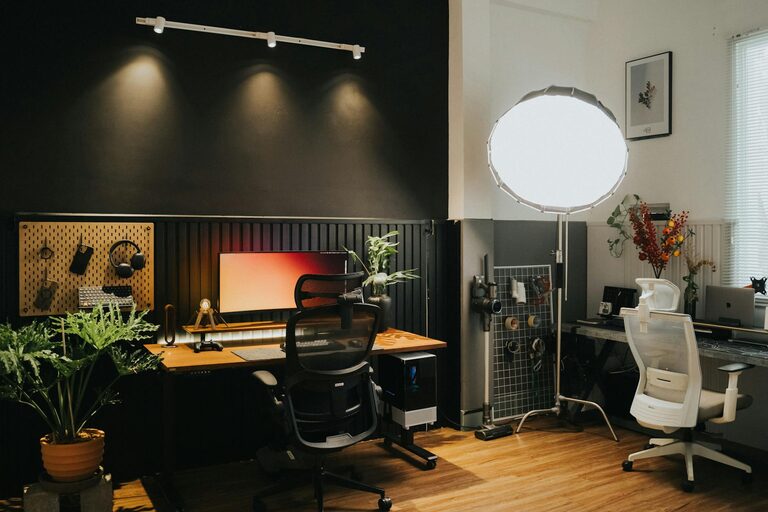
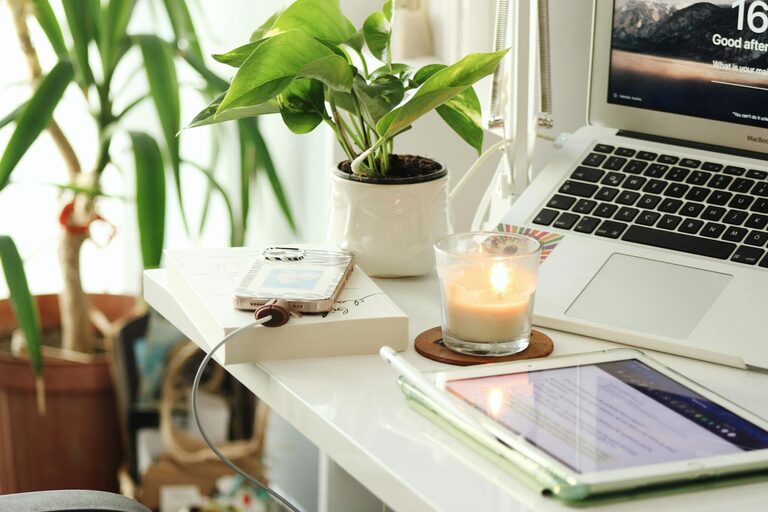
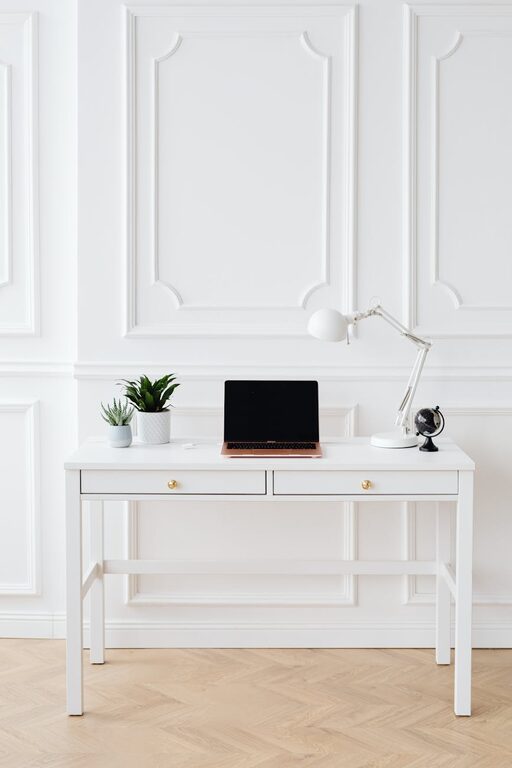
– Decor: Add artwork, photos, or plants for a touch of personality.
– Color scheme: Choose calming or energising colors that suit your taste.
– Lighting: Use desk lamps or soft overhead lighting for a warm atmosphere.
Manage Cable Clutter
Messy cables look untidy and can be distracting. Try these tips:
– Cable clips and ties: Use these to bundle and route cables neatly.
– Under-desk organizers: Attach cable trays or boxes underneath your desk to hide wires.
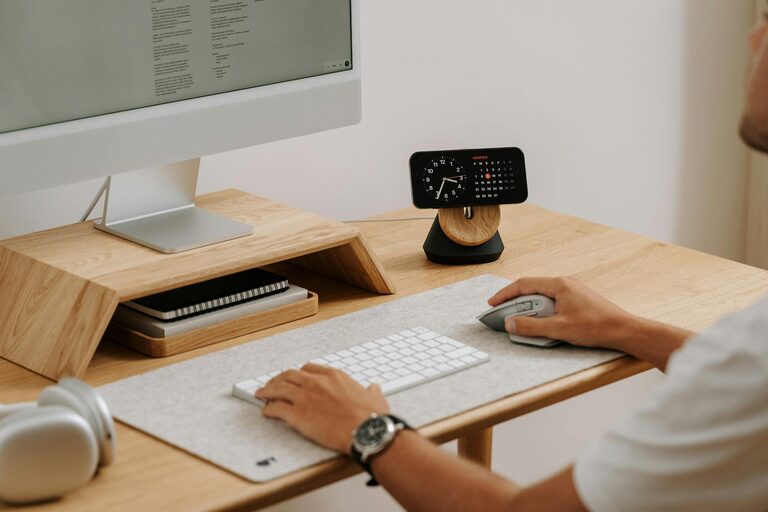
– Wireless accessories: Use wireless keyboards, mouse, or headphones to reduce cable numbers.
Create Zones for Different Tasks
If you have enough space, setting up different zones can help you switch between tasks smoothly:
– Work zone: The main desk area for computer work.
– Creative zone: A spot with whiteboards, sketchpads, or craft materials.
– Relaxation zone: A comfortable chair or small couch to take breaks and recharge.
Maintain Good Air Quality and Comfort
A healthy environment supports concentration and well-being:
– Ventilation: Open windows regularly or use an air purifier to keep air fresh.
– Temperature control: Ensure your workspace is neither too hot nor too cold.
– Plants: Indoor plants can improve air quality and add a calming vibe.
Use Technology Wisely
Equip your home office with tools that enhance productivity:
– Reliable internet connection: Essential for video calls and online work.
– Quality speakers or headset: For clear communication.
– Monitor stand: Position your screen at eye level to reduce neck strain.
Set Boundaries to Separate Work and Home Life
Especially when working remotely, it’s important to create clear boundaries:
– Designate work hours: Stick to a schedule to avoid overworking.
– Use a “closed door” signal: If possible, communicate your availability to family members.
– End-of-day ritual: Develop a routine to signal the end of your workday, like shutting down your computer or tidying your desk.
Regularly Refresh Your Space
Every few months, take time to:
– Rearrange furniture or decor: This can reinvigorate your mindset.
– Declutter: Remove items that you no longer use.
– Check ergonomics: Adjust furniture or update equipment as needed.
—
A cozy and functional home office space doesn’t have to be complicated or expensive. Prioritise comfort, organisation, and personal touches to design an environment where you can thrive. With these tips, you’ll create a workspace that supports your productivity and makes working from home a pleasure.